The Power of THE CIRCUIT by Francisco Jiménez
Discovering the power and grace of Dr. Francisco Jiménez, and his enlightening book for all ages, The Circuit: Stories from the Life of a Migrant Child
by Jenny Clendenen
In September of 2016, while working on my MFA at San Jose State, I was assigned to attend and review an on-campus appearance by Dr. Francisco Jiménez, author of The Circuit and other books about the Mexican-American experience. He was receiving the prestigious Steinbeck Award for the influence The Grapes of Wrath had on his life and literary skills, and for the social engagement those skills in turn engendered. I'm ashamed to admit that I'd never heard of him or his book, and as I had big piles of homework and two kids, my plan was to pop in and out and write a quick review.
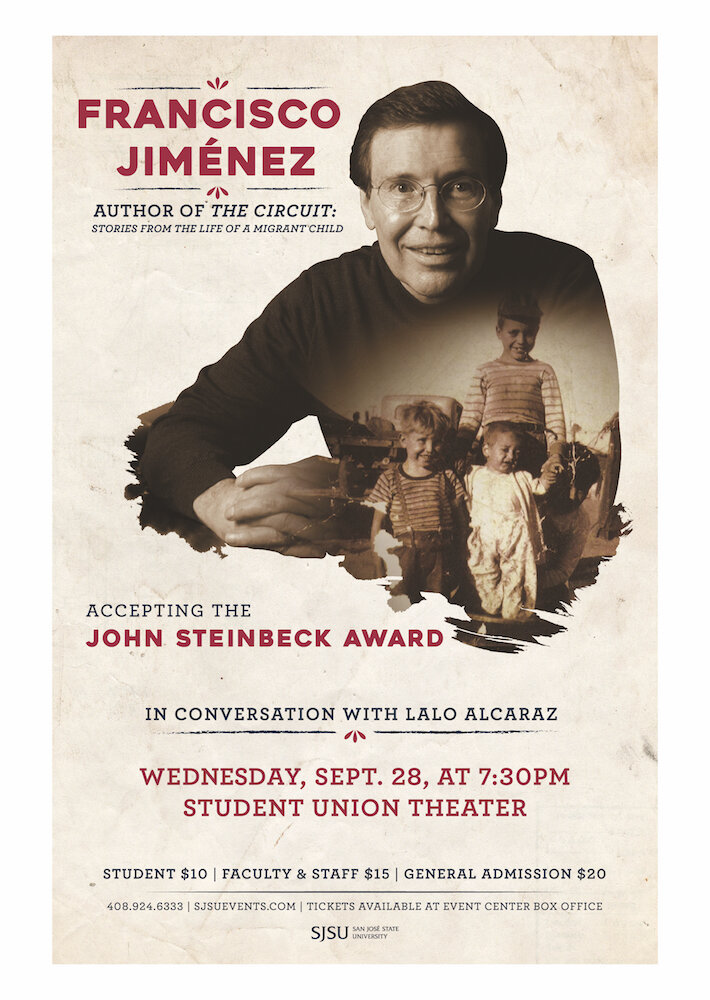
Parking was an extra hassle that night, and I was a few minutes late. I wasn't worried; the theater held 300 people, and even famous authors often drew half-capacity crowds. I cracked open the door of the Student Union Theater, expecting plenty of empty seats. The lights were low, but in the dark and quiet room, I saw that all 312 seats were filled, and dozens more people of all ages and cultures were sitting in the aisles or leaning against the walls.
A long valance and heavy draperies framed the stage in burnished gold. Framed within this window against a black velvet sky, two gray-haired men were having a seated, quiet conversation. The auditorium was hushed. The crowd was warm in tone, and attentive, even leaning forward to listen. There was reverence in the air.
"There's an overflow room upstairs," a stander whispered to me.
I nodded and made my way up the stairs, halting when I saw that the overflow room with the big-screen TVs had seriously overflowed, that people in the hall were looking over shoulders to peer through interior windows to see the screen. There was an aura of respect emanating from this crowd, too.
I thought, Okay, if that man is this special, I want to be in the same room with him. So I went back downstairs, slipped in the door of the theater, and squeezed in next to someone else to sit on a step.
There was an easy camaraderie evident between Dr. Jiménez and his interviewer, artist Lalo Alcaraz, that made the audience feel at home. It was as if we were looking through an open living room window, listening to two smart, funny people remember important things. The author, who is also a professor at Santa Clara University, told of the day some students invited him to join their pilgrimmage along the Steinbeck Trail. Later, he said, he went back on his own, looking for the migrant camps that were no longer there. That desire to see “the place where” inspired a new journey, and led to his writing of The Circuit. He began to reconstruct his personal past by pulling from photographs and family interviews, and focusing on what seemed especially vivid to him. Then he took some time to reflect on the significance of each memory, and to consider how he wanted to convey it. He finally decided to write down these focal memories as short stories in first person, so readers would identify with his experiences: “so they can see through my eyes and feel through my heart.”
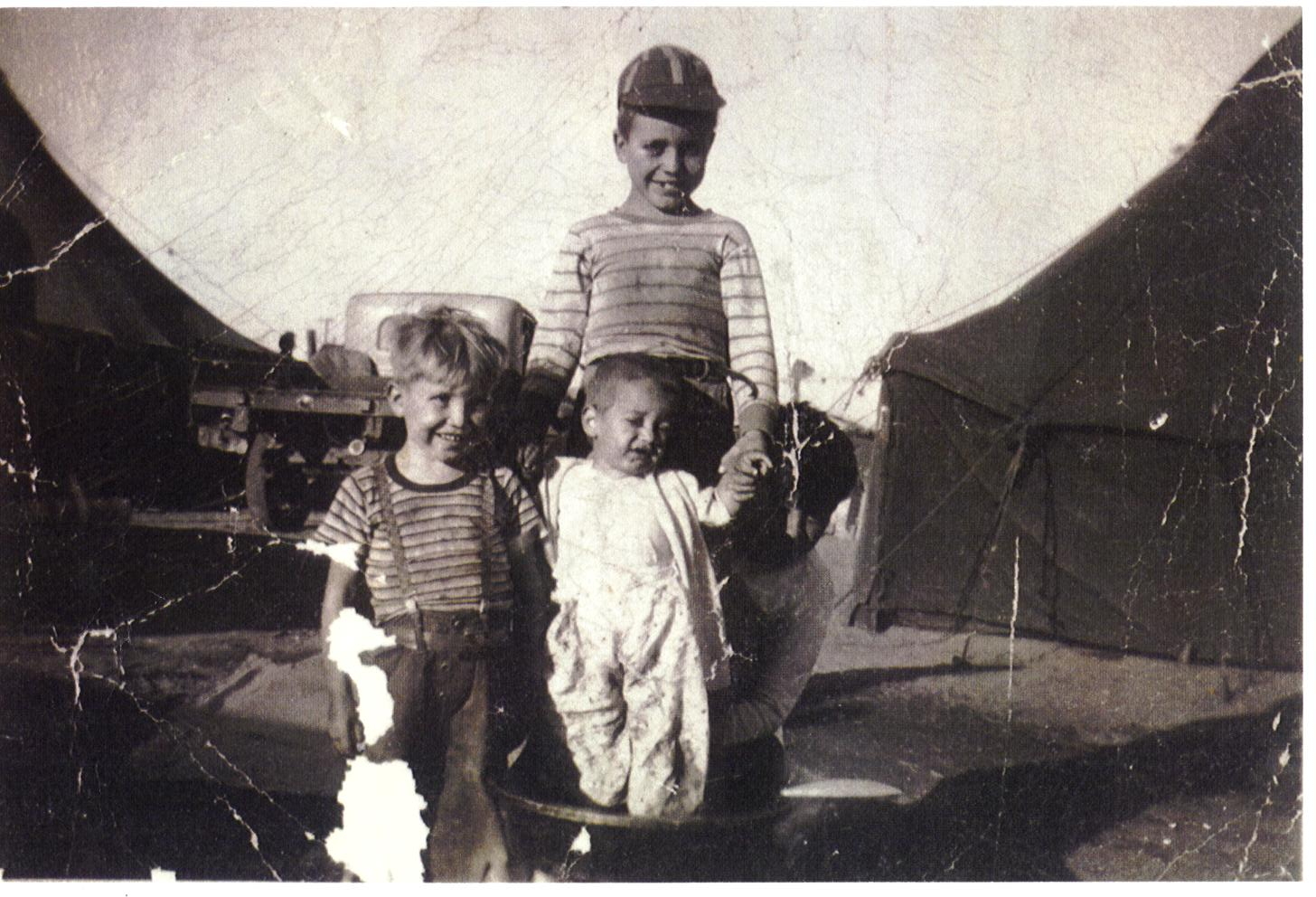
Photo by permission of Francisco Jiménez
In 1997 the published result was his award-winning book The Circuit: Stories from the Life of a Migrant Child. For this success and others, he credited his high school English teacher for assigning him to read Steinbeck's The Grapes of Wrath, which forever changed his life. That book was the impetus for him to speak up, to express, instead of suppress or downplay, his childhood experiences. In a way, Wrath turned away a soft answer to history's hard questions. Though The Circuit entertains in gentle, thoughtful ways that focus on family and strength, and the transformational power of education, it's also a powerful, enlightening book that increases critical knowledge and empathy.
“In a society that is not well-educated," Dr. Jiménez emphasized, "democracy suffers.” And so does compassion.
He returned again and again to the transformative powers of literature and education—two synonymous words—not only for personal growth, but to impart truth and inspire empathy. I felt the tug of his earnest words, his quiet dignity, his genuine humility. So did everyone else—you could have heard a pin drop in that crowded auditorium. I could tell we all felt honored to be there, honored to honor the guest of honor. When the conversation ended, and he had graciously accepted the illustrious Steinbeck Award, the event closed with a standing ovation.
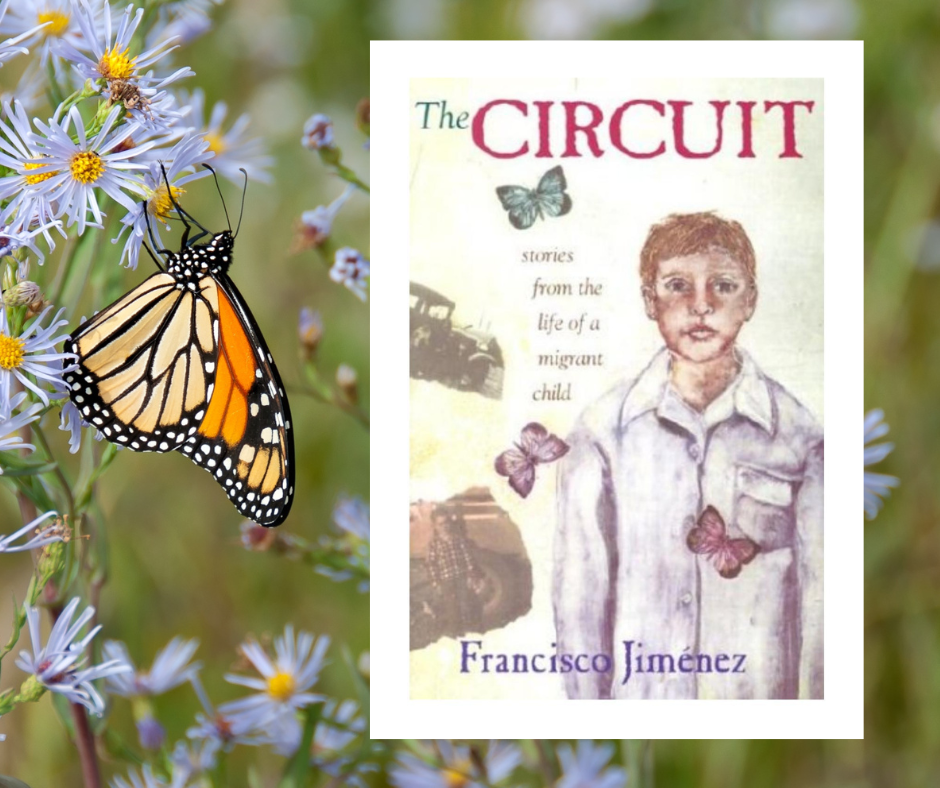
I got up off the floor, glad that I had gone inside instead of watching him onscreen through the window of the overflow room. It was worth the cramp in my back to be in this “living room,” feeling the warmth and energy there. I had a deeper, fresher appreciation of my own opportunities and conditions, and I couldn't wait to tell Becky about The Circuit. At that point we'd been taking kids on "field trips through great books" for six years, and I knew she'd agree that we should bend our classic/vintage rule to get this obviously educational, empathy-inspiring book into more kids. Besides, it was clear this book would prove to be a classic.
That night, I ordered The Circuit for Becky and me. Above all its other merits, this beautifully written collection of stories deepened our appreciation for the agricultural workers in our hometown of Watsonville (and everywhere), and heightened our awareness of the hardships so many endure. It helped us see the families in the fields, and ways we could help.
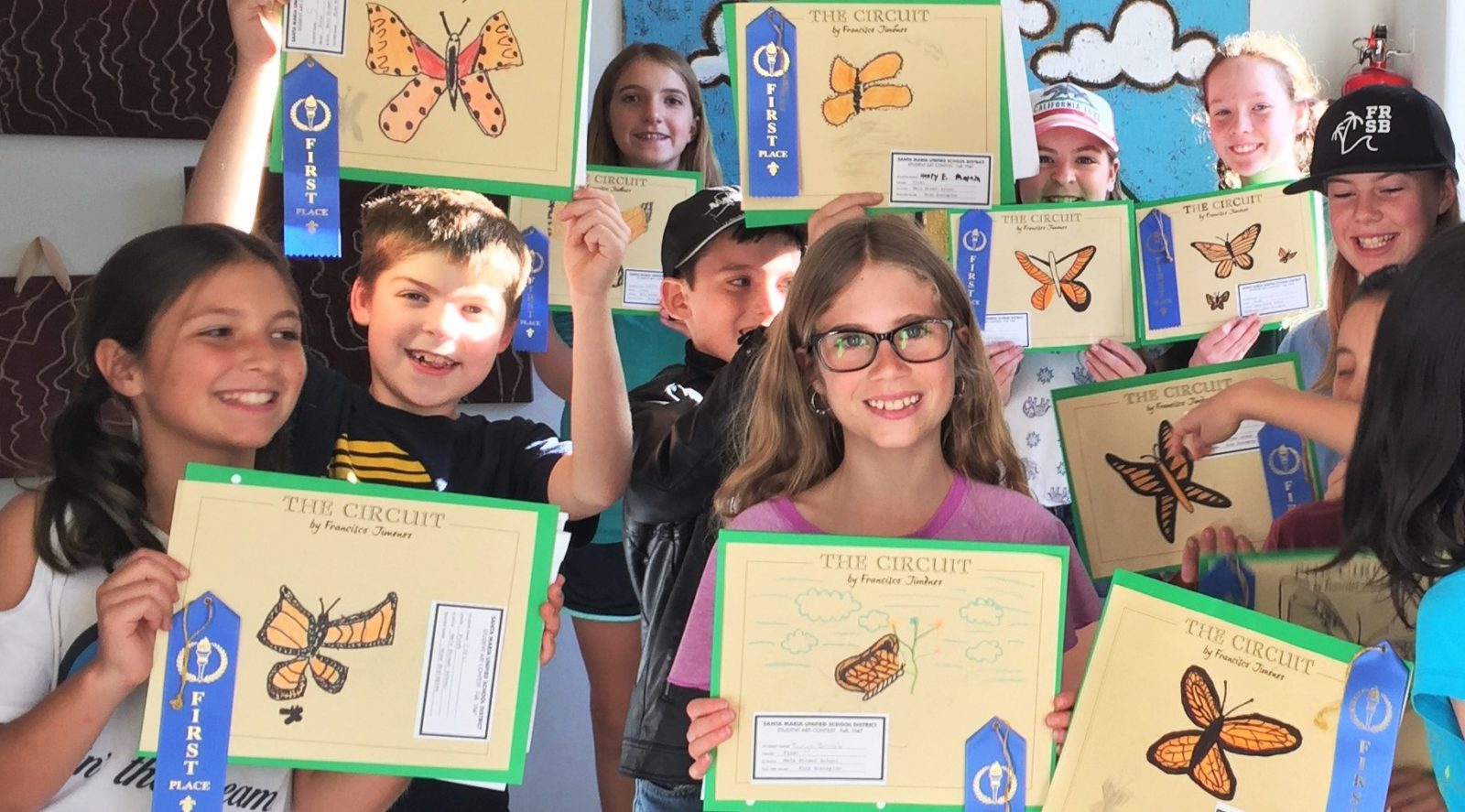
That spring, our workshops on The Circuit made its teaching points tangible, and all the more meaningful and memorable, in the kids' hands. (You can help yourself to our free Creative Teaching Ideas for The Circuit right here. ) The book, and our experiences of Francisco's experiences, profoundly affected us and the kids in our workshops. Nine years later, we still hear from parents about the continuing impact of The Circuit on their families. We hope you too will "complete The Circuit" and empower your kids by teaching this book.
FREE ACTIVITY PRINTABLES AND WORKSHEETS
We're so grateful for Dr. Jiménez's work, and his generous response to ours. To help you and your students honor the hard workers who grow and harvest our food, our printables set for The Circuit is free with code CIRCTEACH.
If you've already had a profound experience of reading or teaching The Circuit, we'd sure love to hear about it in the comments!
A side note: I learned of Dr. Jiménez and his migrant experiences just as I was finishing my own book about another Mexican-American's experience in the Bay Area. My book, like his, was the result of a strong response to the pull of place, a creek near my home at the time, in south San Jose. I discovered astounding truths about a Californio woman who had once owned the whole valley and a fought-over mine in the mountains, long before Americans came and killed her husband and sons.
Most powerful to me was the realization that her life and land were intertwined with mine—and that we were connected by universal, human instincts, intuition, and emotions. The process of writing MINE proved to me, as did reading The Circuit, that we are all related in core ways, and that it does our society much good to see ourselves in others—and this is why Becky and I teach truly great books to kids.
What do you think?
If you have questions or comments or anything to share, we'd love to hear from you. Please email us at beckyandjenny@litwits.com.